Typical applications
Where this product is used
- Technical textile processing
- Composite channels and temporary structures
- Continuous support yarn
- Specialized weaving applications

PVA product · Manufacturer in China
Continuous PVA filament yarn provides consistent construction and is matched to technical textile or composite processes by strength, elongation and dissolution profile.
Request specification →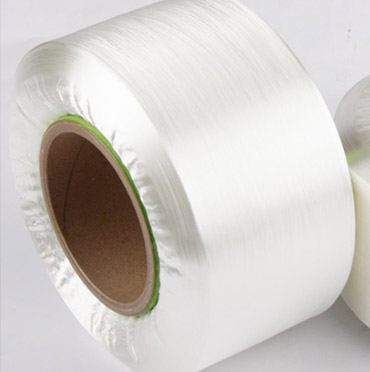
Typical applications
Buyer checklist
Technical selection guide
PVA filament yarn provides a continuous material path for processes that need controlled linear strength, consistent tension or a removable continuous element. Filament count and construction affect handling, while strength, elongation, surface condition and water response must be considered together for the intended textile or technical process.
Selection begins with the equipment and function rather than a broad product name. The same filament can behave differently as a support yarn, woven component or temporary channel because tension, contact surfaces, surrounding materials and wet-treatment conditions change. Three Thai reviews this process context before confirming a sample specification.
Share package format, guides, contact surfaces, running speed, operating tension and the points where abrasion or breakage is most likely.
State which dry or wet stages the filament must survive and the exact conditions under which it should soften, lose strength or be removed.
Begin with a traceable sample, test it on representative equipment and record processing and removal results before confirming production quantity.
Questions buyers ask
Filament is continuous and supports controlled linear processing; staple fiber is discontinuous and is selected for blending, formation or dispersion-based routes.
Construction, filament count, strength, elongation, package, surface condition, running tension and the dissolution method all influence suitability.
No. Equipment, tension, chemistry, temperature and the function of the temporary material must be validated for each application.
Technical consultation
Send the application, specification, target water temperature and expected order volume. Our PVA team will recommend a sample.